01 / BIRD IN HAND
Start with your means.
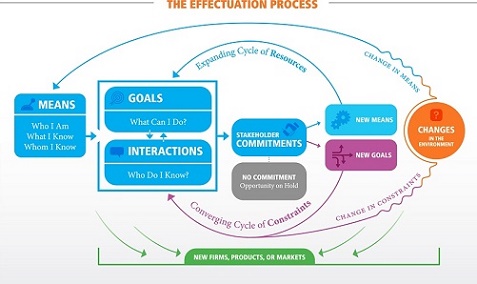
When expert entrepreneurs seek to build a new venture, they start with their means:
who I am (traits, tastes, and abilities), what I know (education, training, and
experience), and whom I know (social and professional networks). Rather than elaborate
planning, they start small with their closest means and move directly into action.
In the Lab: Build directly from existing data, workflow access, and
personal relationships without waiting for permissions.
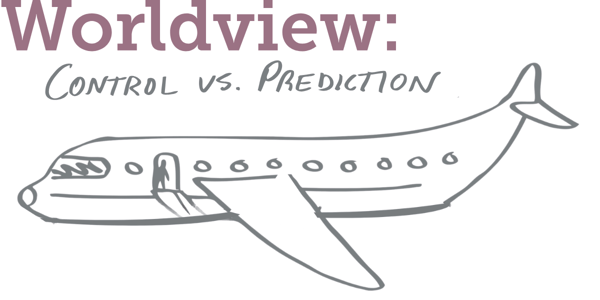
02 / PILOT IN THE PLANE
Keep human agency.
The Pilot in the Plane principle emphasizes control, co-creation, and shaping the
future under uncertainty. Rather than relying on predictions to adapt to an assumed
future, effectual builders steer what is within human control alongside self-selected
partners, customers, and stakeholders.
In the Lab: You own judgment and action. AI is a powerful copilot,
but human judgment remains in the cockpit to decide what matters and what never gets
delegated.
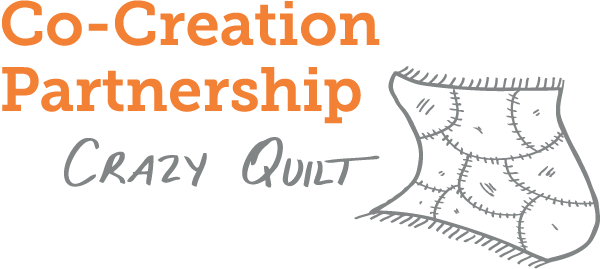
03 / CRAZY QUILT
Co-create the direction.
Crazy Quilt focuses on building partnerships early rather than beating hypothetical
competitors. Builders bring an early approach to real people; those who commit time,
resources, or feedback self-select into shaping the venture—adding both new means and
new direction.
In the Lab: Let committed peers and real stakeholders reshape the
problem definition and solution through early voluntary contributions.
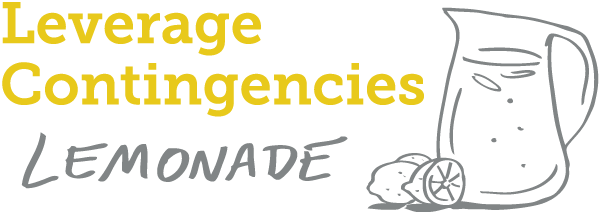
04 / LEMONADE
Learn from surprise.
At the heart of entrepreneurial expertise is the ability to turn the unexpected into
something valuable. Because effectual builders do not lock onto a single preconceived
market, surprises, constraints, and setbacks become raw material for better options.
In the Lab: Turn unexpected constraints, edge-case failures, or model
hallucinations into distinct product advantages and guardrails.
05 / AFFORDABLE LOSS
Bound the experiment.
Instead of forecasting upside returns, effectual entrepreneurs decide upfront what
they are willing to lose—in time, money, and exposure. Bounding the downside keeps
failure cheap, removes dependence on prediction, and generates real learning for the
next iteration.
In the Lab: Commit only the time, budget, and exposure you can afford
to lose on a rapid 24-hour test before writing complex code.